
01 / 07 · Wood
Sandalwood
Sweet wood. The spice stays in the background.
- Top
- A light touch of cinnamon bark and clove
- Heart
- Indian sandalwood that slowly fills the room
- Base
- Soft, sweet sandalwood
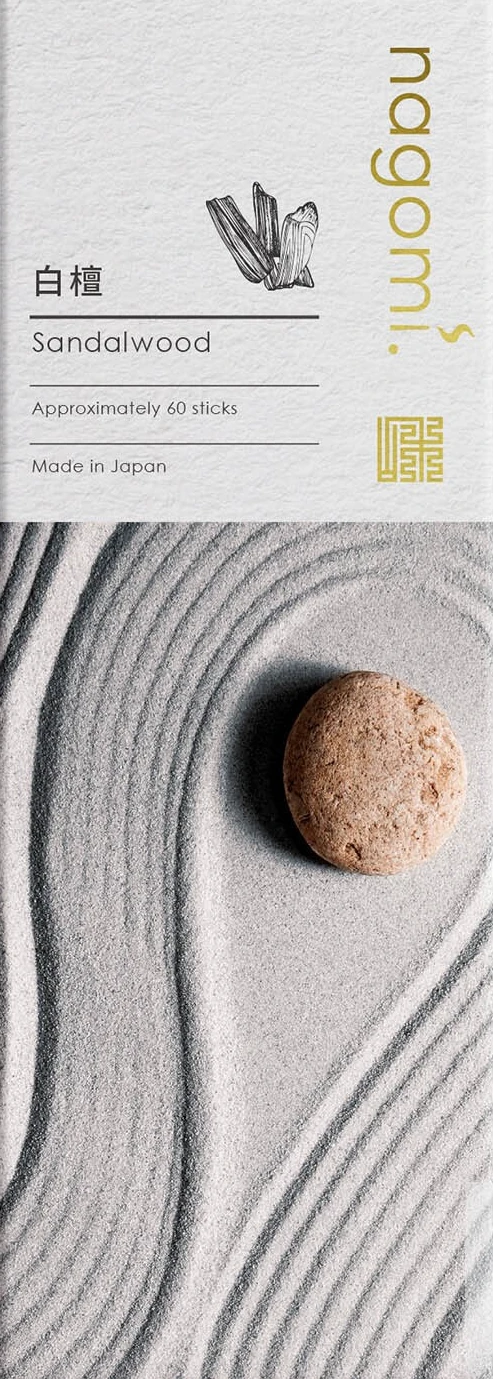

Japanese stick incenseKyoto, since 1830Made on Awaji Island
Seven scents, about thirty minutes a stick. Wholesale for shops, hotels and spas.

The line
Seven scents.
Two families.
In Japan
Source: Amazon.co.jp, as of November 2026: customer reviews, incense category ranking and purchases in the past month for the nagomi. listing, which covers all seven scents. Figures change over time.
About 30 minutes
Any box smells good before it’s lit. We judge ours by the thirty minutes between the match and the ash.
Top
The match goes out and the fragrance rises at its brightest. The first minute tells you what kind of stick this is.
Heart
These are the minutes we judge. Fragrance and base are balanced trial by trial, lit and lit again, until the scent holds its shape all the way down the stick.
Base
The ember is gone. The scent isn’t—not yet. It lingers in the room and on your sleeve.
One stick. About 30 minutes. Then the day goes on.
How it’s madeUp close
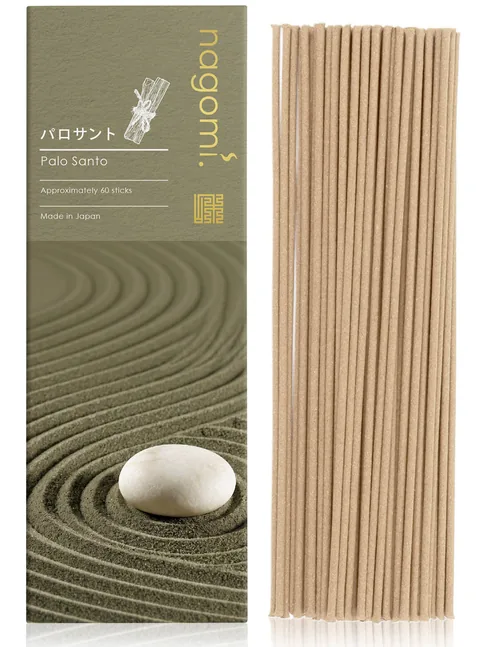
About 60 sticks to a box, each about 13.8 cm (5.4 in) long, with no bamboo core. Each scent has its own stick color.
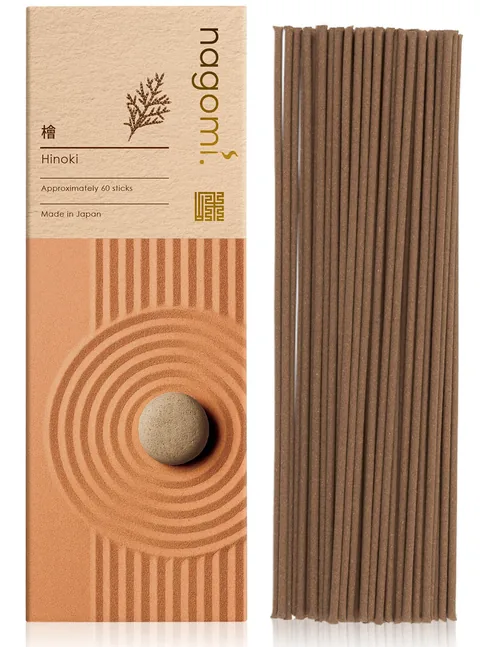
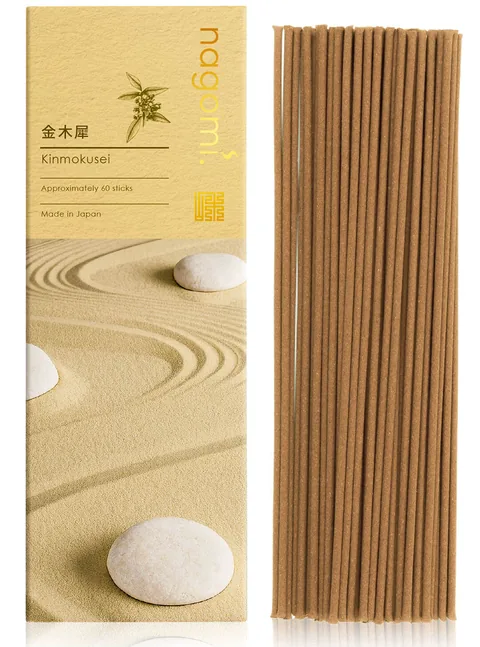
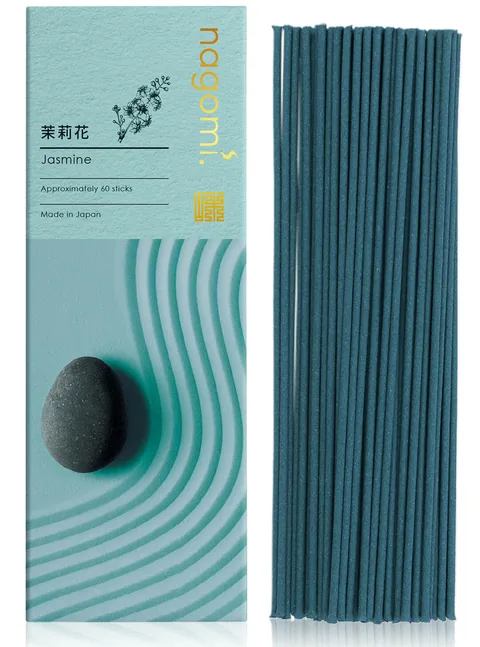
Compare the notes
Every scent lists Top, Heart and Base, so you can compare them side by side. Add the ones you like to your list, and we’ll include them in your inquiry.
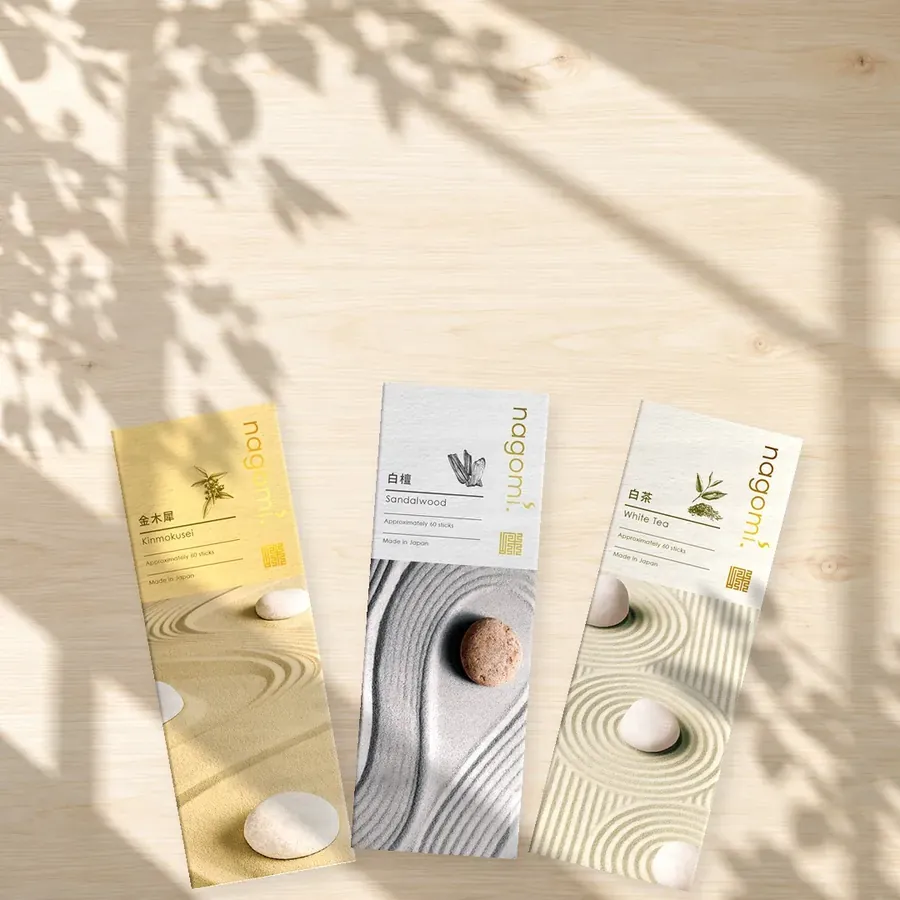
01 / 07 · Wood
Sweet wood. The spice stays in the background.
02 / 07 · Wood
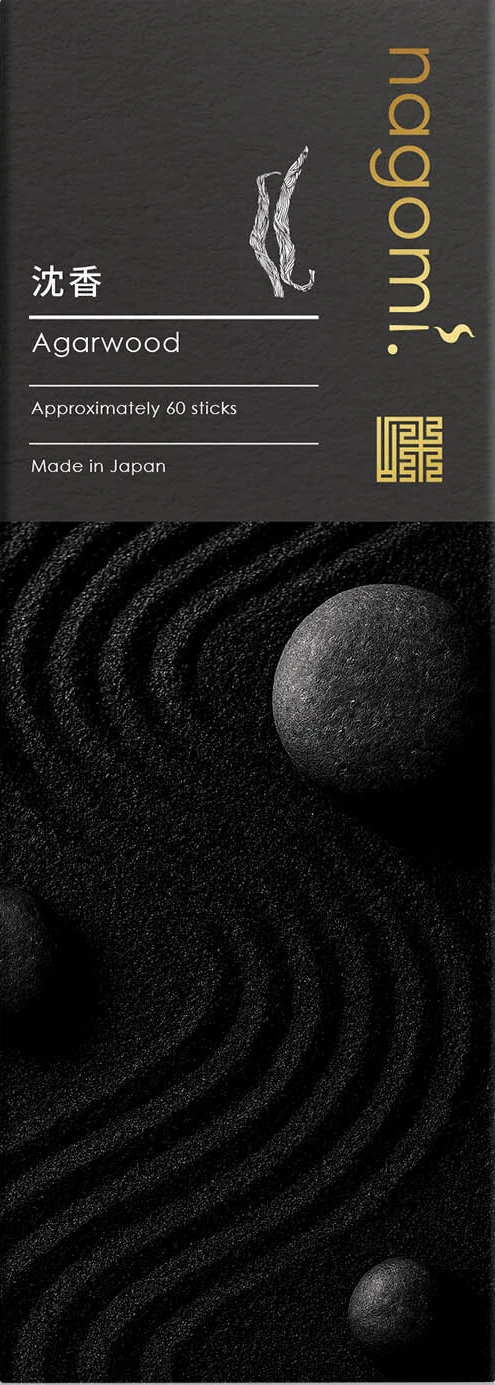
Agarwood leads. Everything else stays low.
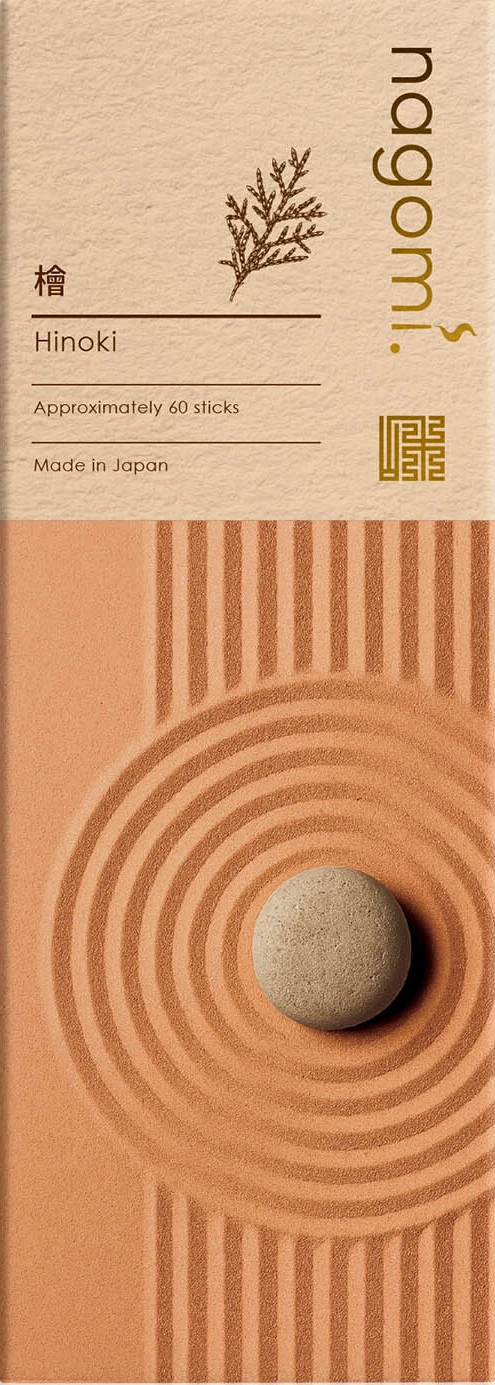
03 / 07 · Wood
A forest in the morning. Not sweet.
04 / 07 · Floral
Light and clear, like the first cup.
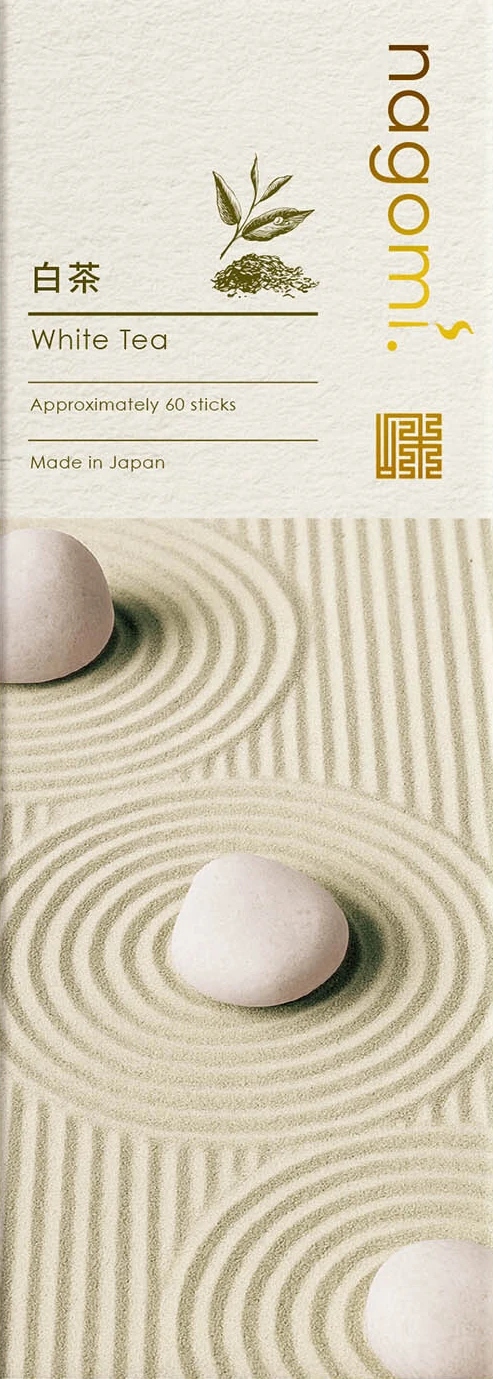
05 / 07 · Floral
Sweet osmanthus
Autumn osmanthus, never cloying.
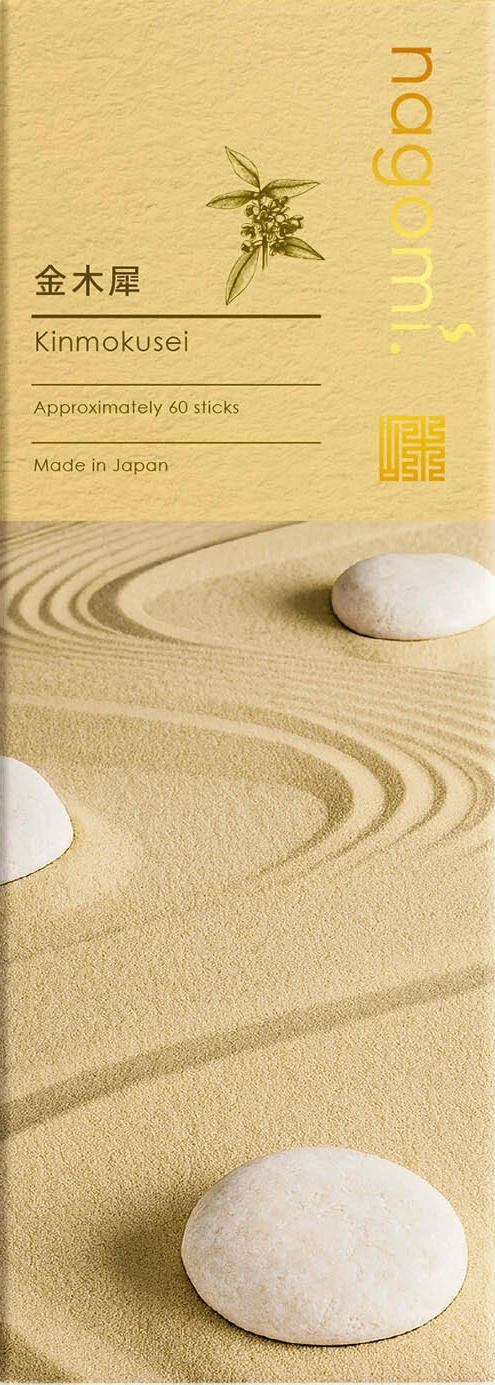
06 / 07 · Floral
White flowers, still a little green.
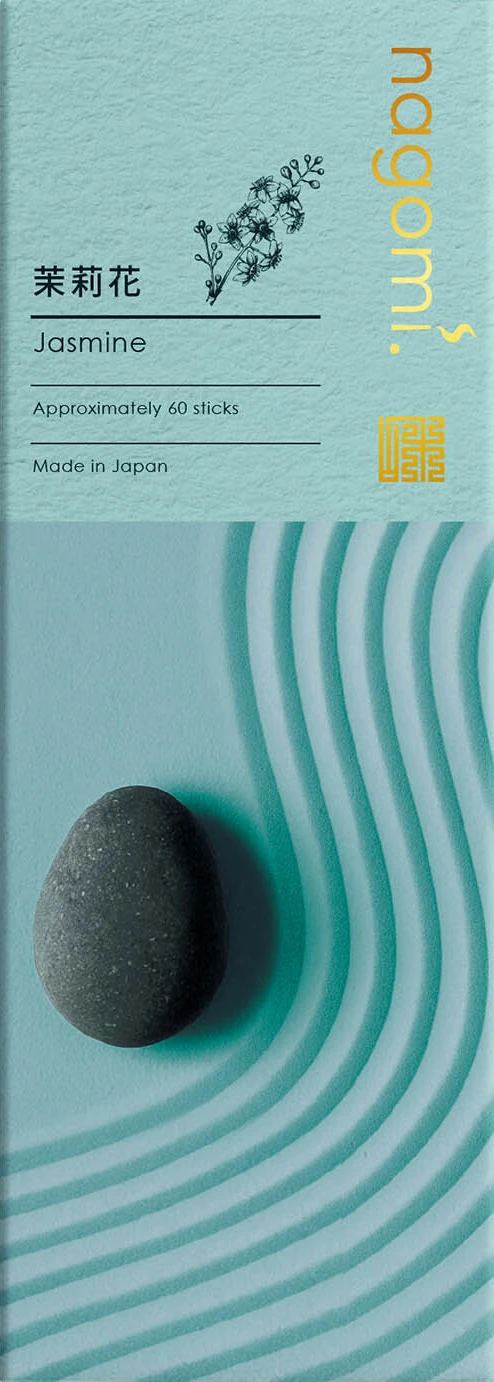
07 / 07 · Wood
Soft-spoken wood with a resinous, smoky edge.
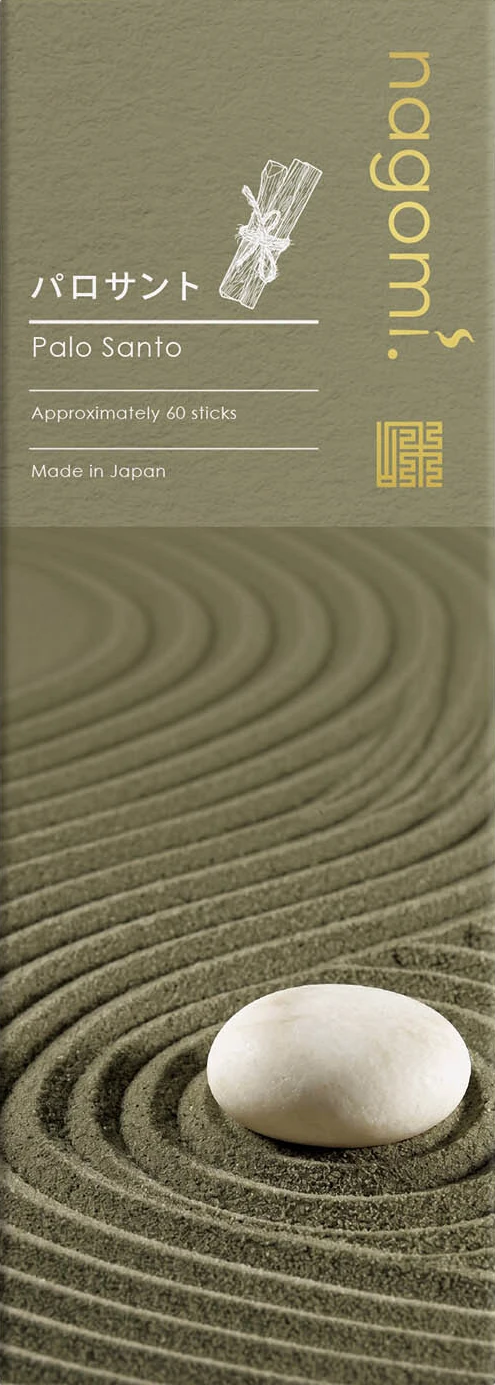
0 of 7 on your list
Inquire about these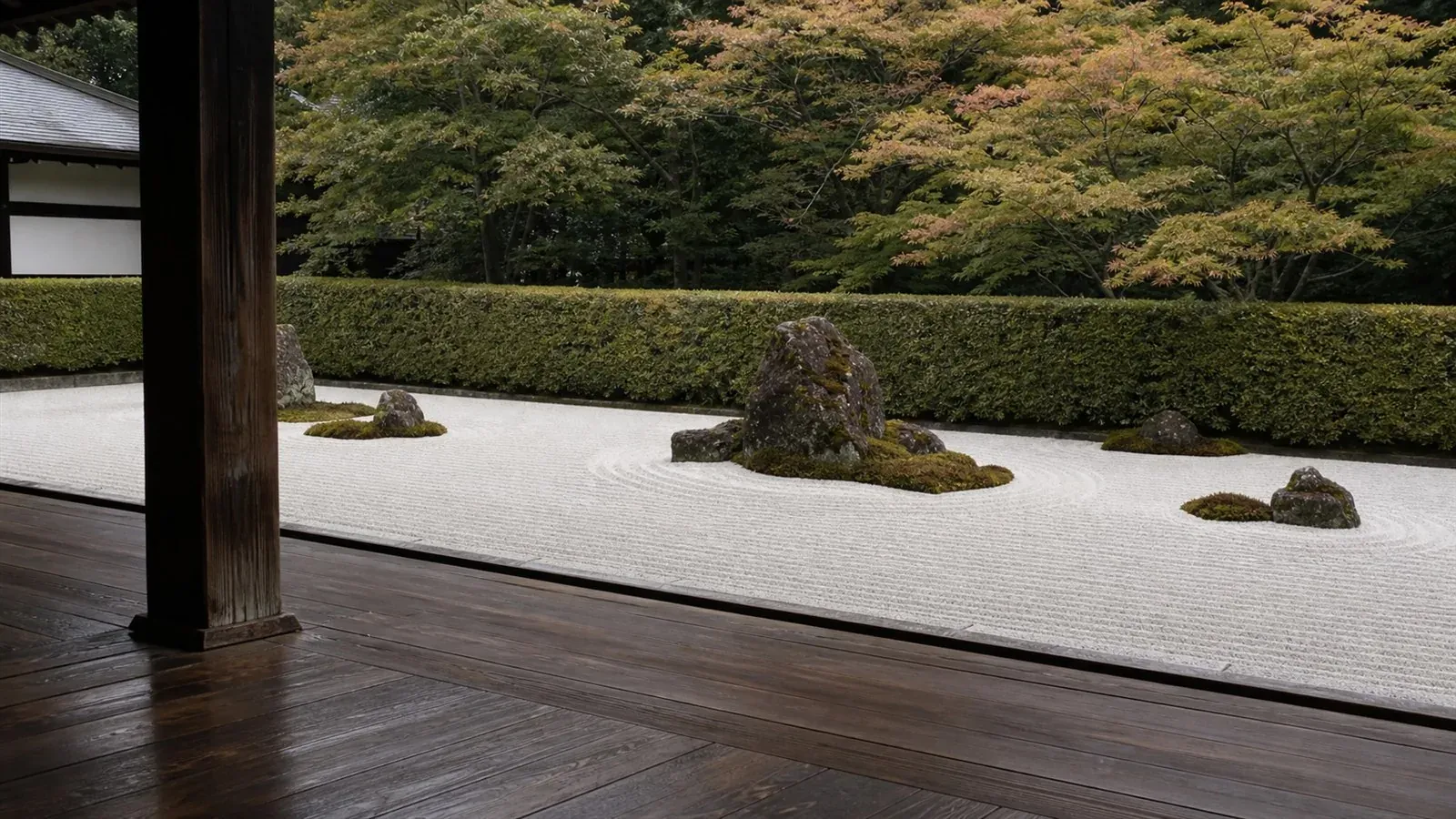
The box
A dry garden shows water and uses none. Sand and stone do the work, and what you see is left to you.
Incense works the same way. A garden gives each visitor a different view; a stick gives each person who lights it a different half hour.
Look closely at the sand on the box. The raked lines rise and curl the way smoke does.
Two places
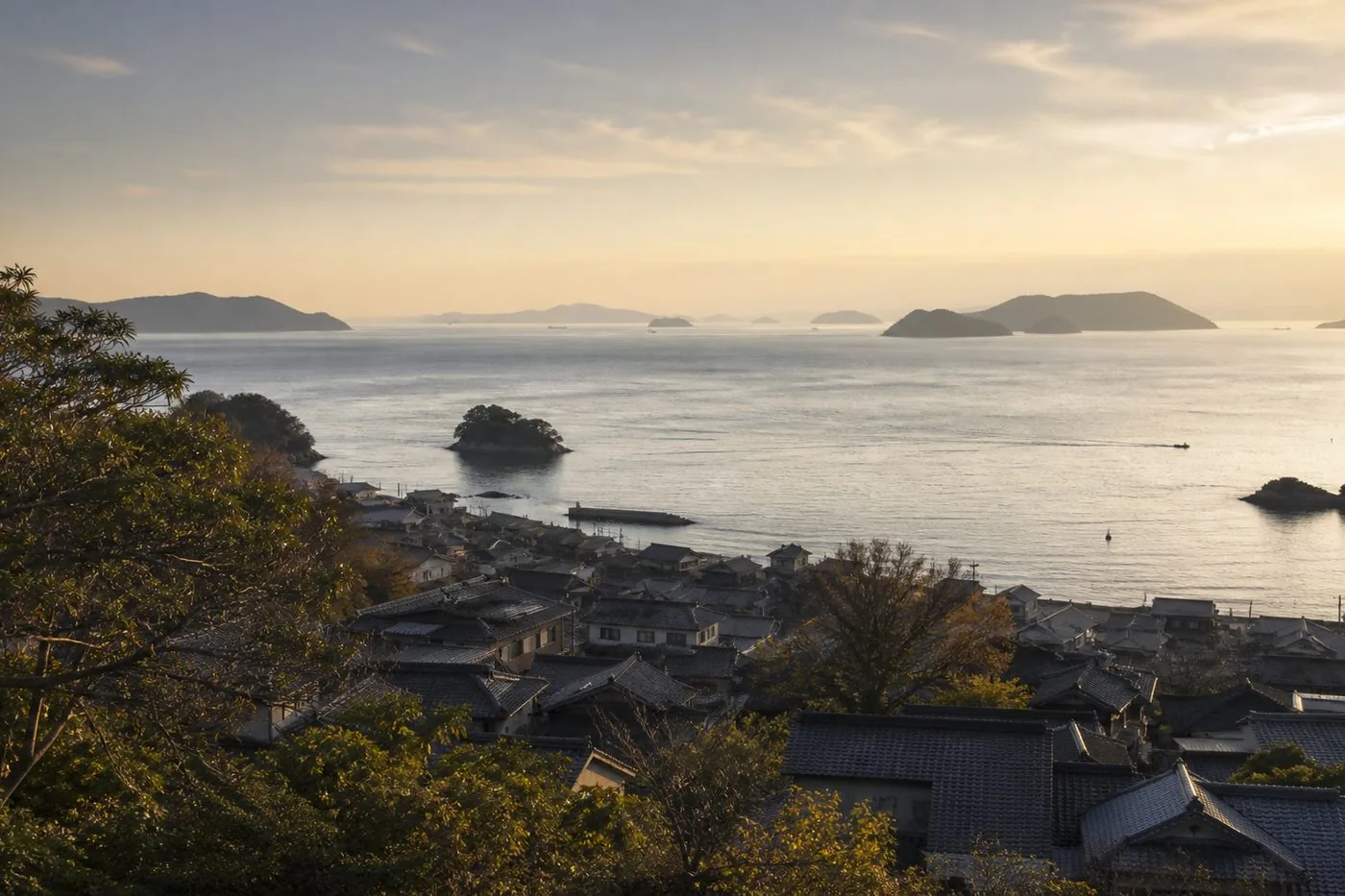
Conceived in Kyoto. Made on Awaji Island.
Wakabayashi has traded in fragrance here since 1830, learning which materials hold up and which don’t. This is where each scent is conceived.
Hyogo is Japan’s largest incense-producing prefecture, and most of that incense is made on this island. Its incense masters have handed the work down for generations. They turn Kyoto’s direction into a formula, and the formula into sticks.
For shops, hotels and spas
Seven scents for shops whose customers stop, pick up a box and want to know what’s inside.
Packed by weight, so the count varies slightly. Holder not included.
Some images are illustrative.